Discover the Essential Services Offered by a Building Contractor for Your Next Task
When beginning on construction task, recognizing the variety of solutions a building service provider supplies is crucial. From first consultations to forecast handovers, these experts lead customers through each phase. They provide essential competence in design, compliance, and monitoring. Knowing what to expect can make all the difference in accomplishing a successful result. What certain services could be most helpful for your future endeavor?
Initial Appointments and Task Preparation
Initial assessments work as the foundation of efficient task preparation in building professional services (Building Contractors Somerset West). Throughout these preliminary meetings, contractors involve with clients to understand their budget plan, vision, and timeline. This stage is essential for establishing a clear extent of work and determining any kind of possible challenges that might arise throughout the construction procedure
Specialists collect important information concerning website conditions, regional regulations, and called for permits. By discussing the client's assumptions, service providers can give beneficial understandings and suggestions, making certain that the task lines up with the customer's objectives. The value of interaction in this phase can not be overstated, as it prepares for cooperation between the customer and service provider.
Furthermore, reliable preliminary assessments assist specialists create a complete task strategy that details necessary resources, timelines, and expense price quotes. This proactive approach lessens misconceptions and sets the phase for a smoother building experience, eventually bring about an effective task outcome.
Style and Architectural Services
Design and architectural solutions play a crucial role in transforming a customer's vision right into a substantial fact. These services encompass a detailed series of tasks, from preliminary idea development to thorough style implementation. Structure professionals usually team up with proficient designers to create plans that line up with the client's demands while adhering to visual and functional considerations.
The style process usually begins with an in-depth appointment, enabling the professional and client to discuss preferences, spending plan restrictions, and site specifics. Following this, architects establish schematic designs and flooring plans, making certain perfect use area and sources. Throughout this phase, alterations might strike refine the vision even more.
Furthermore, building professionals supply understandings on products and building and construction methods that can enhance the project's feasibility and sustainability. Ultimately, reliable design and architectural solutions are essential in guaranteeing that tasks not only satisfy customer expectations but likewise stand the examination of time in capability and style.
Permitting and Governing Compliance
Steering through the landscape of allowing and regulative compliance is important for building contractors, as it guarantees that jobs follow local legislations and safety criteria. This procedure includes getting the necessary permits and ensuring that all construction activities meet zoning regulations, building codes, and ecological guidelines. Service providers must be skilled in the particular needs of the jurisdiction in which they run, as these can differ significantly from one place to another.
Construction Administration and Guidance
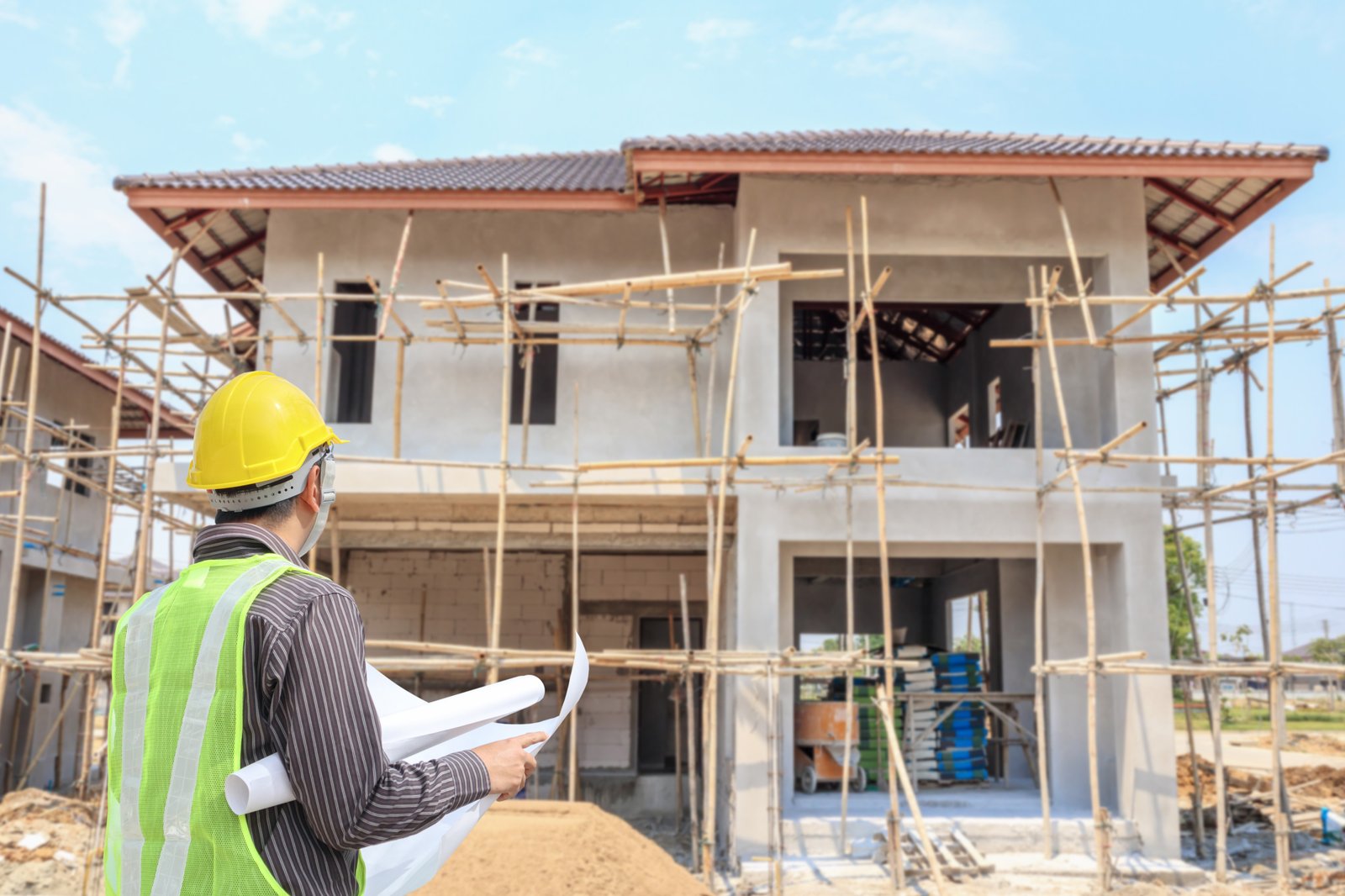
Efficient construction administration and supervision are necessary to the success of any type of structure task. These procedures encompass the coordination and oversight of all aspects of building and construction, guaranteeing that jobs are completed successfully and according to strategy. Building service providers play a vital role in handling spending plans, timelines, and resources, while additionally reducing dangers that may occur throughout construction.
Supervision includes checking day-to-day activities on-site, guaranteeing security criteria are fulfilled, and addressing any type of issues that may disrupt progress. A structure contractor's leadership promotes communication amongst numerous groups, consisting of subcontractors, providers, and clients, which is crucial for maintaining workflow and achieving project landmarks.
Via thorough planning and strategic analytic, building management and guidance not just enhance operational efficiency however additionally add to the general high quality of the ended up structure. Ultimately, these services are integral to delivering tasks that meet client expectations and abide by developed sector requirements.
Last Inspections and Project Handover
As a project nears conclusion, last examinations and the subsequent job handover become crucial landmarks that guarantee all facets of construction meet governing requirements and customer expectations. Throughout the last evaluation, developing contractors perform complete exams of the work to verify conformity with neighborhood building codes, security regulations, and layout requirements. This procedure commonly includes collaboration with assessors and may include dealing with any type of shortages identified.
When evaluations are successfully completed, the task handover happens, where the contractor formally transfers ownership and responsibility to the client. This phase consists of providing necessary documentation, such as guarantees, handbooks, and maintenance guidelines. A detailed walk-through is usually performed to familiarize the customer with the finished area. Efficient final assessments and job handover not only foster client fulfillment however also enhance the professional's online reputation, ensuring future organization opportunities.

Frequently Asked Concerns
What Kinds of Projects Do Building Contractors Typically Manage?
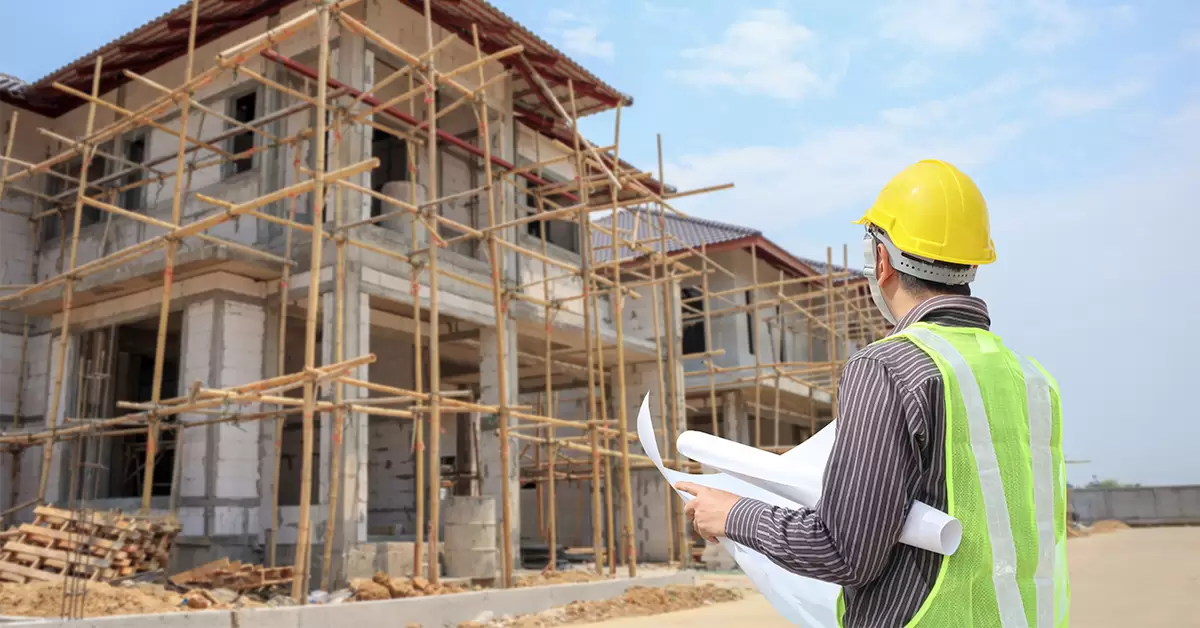
Building contractors usually handle a range of projects, including household constructions, commercial buildings, remodellings, restorations, and facilities advancements. Their proficiency includes every little thing from design and preparing to execution and task administration for diverse building and construction requirements.
Just how Do I Pick the Right Building Contractor?
To select the appropriate structure service provider, one must review their experience, check referrals, contrast quotes, review credentials, and guarantee reliable communication. An extensive assessment of previous tasks can additionally provide important insight right into viability for specific needs.
What Is the Common Timeline for a Building Job?
A typical building and construction project timeline differs, often extending from a couple of months to over a year. Elements influencing duration include job intricacy, allows, weather, and service provider efficiency, all influencing the general conclusion time.
How Are Project Costs Estimated and Handled?
Project expenses are estimated through comprehensive calculations of materials, labor, and overhead. Monitoring involves continuous surveillance, readjusting spending plans as needed, and using software application devices to track expenses, making certain financial effectiveness throughout the building and construction process.
What Should I Include in My Agreement With a Building Specialist?

When starting on construction project, understanding the variety of solutions a building specialist supplies is essential. By discussing the client's expectations, contractors can provide useful insights and referrals, ensuring that the project lines up with the client's purposes. Additionally, building professionals supply insights on materials and building and construction techniques that can improve the project's usefulness and sustainability. As a job nears conclusion, final evaluations and the subsequent task handover come to be critical milestones that assure all aspects of construction meet regulative criteria and client expectations. Building contractors normally handle a variety of projects, consisting of property constructions, industrial structures, improvements, reconstructions, and infrastructure developments.